


Industrial electrical systems are essential to the safe and continuous operation of factories, processing facilities, utilities, and infrastructure. From power distribution and motor control centers to switchgear, control panels, and industrial drives, every component must be selected, installed, tested, and commissioned with care.
A successful industrial electrical installation is about more than connecting cables and energizing equipment. It requires engineering coordination, correct equipment selection, safe installation practices, systematic inspection, functional testing, and clear documentation. Gaps in any of these stages can lead to equipment malfunction, unplanned downtime, safety hazards, or costly rework.
This guide explains the main stages of industrial electrical installation and commissioning, the checks that help ensure system readiness, and the value of working with experienced engineering professionals.
What Is Industrial Electrical Installation?
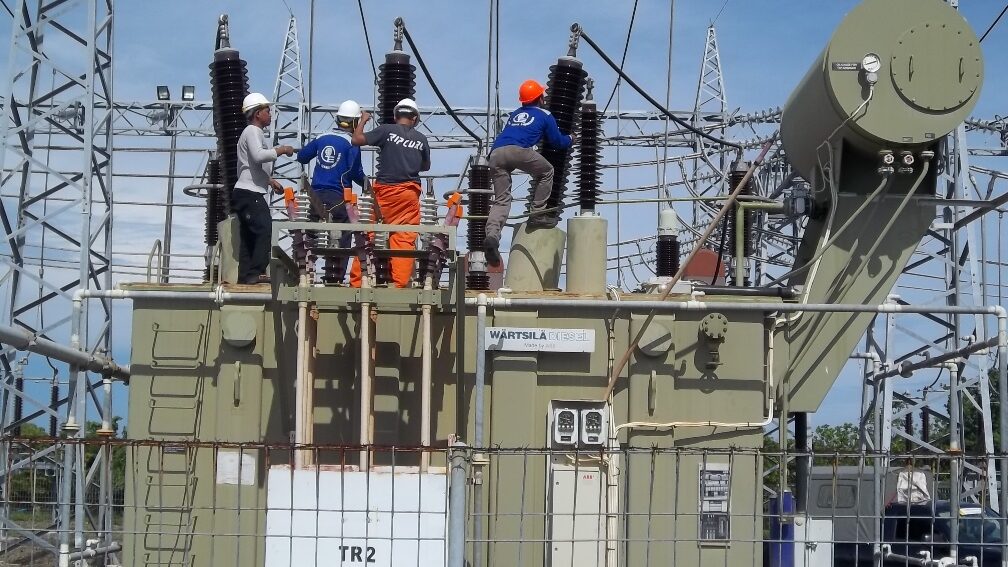

Industrial electrical installation is the process of installing electrical infrastructure and equipment required to distribute, control, protect, and use electrical power within an industrial facility. The scope may include transformers, switchgear, distribution boards, motor control centers (MCCs), control panels, cable trays, power and control cables, grounding systems, industrial sockets, motors, variable frequency drives (VFDs), and instrumentation interfaces.
The exact scope depends on the facility, process requirements, electrical design, equipment specifications, applicable regulations, and site conditions. New facilities may require a complete installation, while existing plants may need an expansion, replacement, modification, or upgrade.
Why Proper Electrical Installation Matters
1. Operational reliability
Correctly installed electrical equipment helps maintain stable power distribution and dependable machine operation. Poor terminations, unsuitable cable sizing, inadequate protection coordination, or incorrect control wiring can cause nuisance trips, overheating, voltage problems, and unexpected stoppages.
2. Personnel and equipment safety
Electrical hazards can include electric shock, arc flash, fire, and damage caused by faults. Safe design, appropriate protective devices, grounding and bonding, isolation procedures, access control, and competent installation practices are essential. Work must follow applicable local requirements and the facility’s safety procedures.
3. Equipment performance and service life
Motors, drives, panels, and other electrical assets depend on correct installation conditions. Proper alignment of connected machinery, ventilation, cable routing, environmental protection, and configuration can help equipment operate within its intended limits.
4. Easier maintenance and troubleshooting
Clear labeling, accurate drawings, organized cable routing, accessible equipment, and complete test records make future maintenance more efficient. Good documentation also helps technicians understand system configuration before carrying out modifications or fault diagnosis.
5. Reduced project rework
Installation checks performed at the right time can identify errors before energization. Resolving problems during installation is generally easier than correcting them after equipment has been integrated into a running production process.
Key Stages of an Industrial Electrical Installation Project
1. Site assessment and requirement definition
Before work begins, the project team should understand the facility layout, existing electrical infrastructure, load requirements, operating environment, production constraints, and installation boundaries. For modifications in an operating plant, the team should identify interfaces with existing systems and plan safe work windows.
The assessment should clarify the equipment to be installed, expected operating duty, environmental conditions, access requirements, shutdown constraints, and any special requirements for hazardous or sensitive areas. This information supports a realistic work plan and helps avoid scope gaps.
2. Engineering design and technical review
Electrical design should establish how power is distributed, protected, controlled, and connected to the process. Depending on project complexity, engineering documents may include single-line diagrams, load schedules, cable schedules, panel layouts, control schematics, grounding details, equipment specifications, and installation drawings.
Design reviews should consider load capacity, short-circuit ratings, protective-device coordination, cable selection, voltage drop, environmental conditions, maintainability, and interfaces with mechanical and control systems. Design decisions should be checked by qualified personnel against applicable standards and project requirements.
3. Equipment and material selection
Electrical equipment should be selected to suit the system voltage, current, fault level, duty cycle, enclosure requirements, ambient conditions, and installation environment. Materials such as cables, glands, lugs, cable trays, conduits, supports, circuit breakers, contactors, and protective relays should match the approved specifications.
Procurement controls are also important. Equipment ratings, manufacturer documentation, certificates where required, delivery condition, and compatibility with existing systems should be checked before installation. Substitutions should be reviewed and approved through the project’s technical process rather than made informally on site.
4. Installation and cable management
Installation activities may include positioning panels and equipment, installing supports and cable containment, pulling cables, terminating conductors, connecting grounding systems, and integrating power and control circuits. Work should follow approved drawings, manufacturer instructions, and site safety procedures.
Good cable management supports both safety and maintainability. Power, control, and communication cables should be routed and segregated as required by the design. Bending radius, pulling tension, mechanical protection, gland selection, identification, and termination quality should be checked. Panels should be installed with suitable clearances, access, ventilation, and environmental protection.
5. Inspection and pre-commissioning checks
Before energization, the installation should be inspected against drawings and specifications. Typical checks may include equipment nameplate verification, visual inspection, cable identification, terminal tightness according to manufacturer requirements, grounding continuity, enclosure integrity, protection settings, and confirmation that temporary materials or tools have been removed.
Electrical tests should be selected according to the equipment and system. They may include continuity checks, insulation resistance tests, phase sequence verification, protective conductor checks, and other tests required by the design, manufacturer, regulations, or commissioning plan. Test methods and acceptance criteria must be appropriate for the equipment; sensitive electronic devices may need to be disconnected or protected during certain tests.
6. Energization and commissioning
Commissioning confirms that the installed system performs as intended and that interfaces operate correctly. Energization should be controlled through an approved procedure, with defined responsibilities, exclusion zones, permits, communication, and emergency arrangements.
Functional checks may include breaker operation, control logic, interlocks, motor rotation, drive configuration, protection functions, alarms, indications, and communication with supervisory systems. Tests should be planned and recorded, with abnormal results resolved before the system is accepted for normal operation.
7. Handover and documentation
Project handover should provide the information needed to operate and maintain the installation. Typical documents include approved as-built drawings, equipment manuals, test and commissioning records, protection settings, cable schedules, inspection reports, and maintenance recommendations. Outstanding items should be documented with clear ownership and completion dates.
Important Checks Before Energizing Electrical Equipment
A structured pre-energization checklist helps the project team confirm that installation work is complete and ready for controlled commissioning. The checklist should be tailored to the system and approved by responsible engineering and safety personnel.
- Confirm that installed equipment matches approved drawings and technical specifications.
- Verify equipment ratings, nameplates, and environmental suitability.
- Inspect cable routes, supports, glands, terminations, identification, and segregation.
- Check grounding and bonding connections using appropriate test methods.
- Complete applicable insulation, continuity, and phase-sequence tests.
- Verify protective-device settings and coordination documentation.
- Confirm panel cleanliness, enclosure integrity, access clearances, and ventilation.
- Check control circuits, interlocks, emergency stops, alarms, and operating logic.
- Confirm permits, isolation boundaries, barriers, communication, and authorization for energization.
- Record test results, deviations, corrective actions, and approvals.
This list is a planning aid, not a substitute for the approved commissioning procedure, electrical safety rules, or applicable standards.
Common Problems in Industrial Electrical Projects
Incomplete or outdated drawings
When site conditions do not match the available drawings, installation teams may make assumptions that create errors. Conduct site verification, maintain revision control, and update as-built documentation when changes are approved.
Incorrect cable selection or termination
Cable selection must account for current capacity, installation method, ambient temperature, grouping, voltage drop, fault conditions, and project requirements. Terminations should use compatible lugs and glands and be completed with suitable tools and procedures.
Insufficient coordination between disciplines
Electrical installation often interfaces with mechanical equipment, instrumentation, automation, civil works, and production operations. Regular coordination helps resolve access, support, alignment, control-interface, and shutdown issues before they delay commissioning.
Rushed testing and commissioning
Pressure to meet a project deadline should not lead to skipped checks. A defined test plan, adequate time, qualified personnel, and documented acceptance criteria help prevent unsafe or unreliable energization.
Limited handover information
Missing drawings, test records, settings, and manuals make future maintenance harder. Treat documentation as a project deliverable and verify its completeness before final handover.
Industrial Electrical Installation and Maintenance Go Together
Installation quality has a direct impact on future maintenance. Correct labeling, accessible components, reliable terminations, and complete records make inspections and troubleshooting more effective. Once equipment is operating, planned inspections can help identify deterioration and verify that the system continues to perform as expected.
For example, periodic thermographic inspection may help identify abnormal heating at electrical connections and components under suitable load conditions. Electrical testing, visual inspection, and review of operating history can also support condition assessment. A broader explanation of condition-based strategies is available in our related guide to predictive maintenance for industrial equipment.
Maintenance findings should feed back into asset records and future project decisions. Repeated faults may indicate a need to review installation details, equipment selection, operating practices, or maintenance intervals.
Choosing an Industrial Electrical Engineering Partner
Industrial electrical projects involve technical, operational, and safety considerations. When selecting an engineering or installation partner, organizations should evaluate relevant project experience, technical capability, personnel competency, safety practices, quality controls, and the ability to provide clear documentation.
Useful questions to ask include:
- Can the contractor explain the proposed scope, exclusions, and technical assumptions?
- Are the personnel and tools suitable for the work and testing required?
- How will permits, isolation, risk assessments, and site coordination be managed?
- What inspection and commissioning records will be provided?
- How will deviations, changes, and outstanding work be documented?
- What support is available after installation and handover?
PT Global Teknik Engineering provides engineering-related services for industrial requirements. The appropriate scope should be established through a review of the facility, equipment, technical specifications, and project objectives. To learn more, visit our company website or explore the company profile and service information.
Reliable industrial electrical installation depends on careful planning, sound engineering, suitable equipment, disciplined installation, systematic testing, and complete handover documentation. Each stage contributes to the safety, reliability, and maintainability of the facility.
By treating commissioning and documentation as essential parts of the project—not final administrative tasks—industrial organizations can reduce avoidable installation issues and establish a stronger foundation for long-term operations. Working with a competent engineering partner can help coordinate these activities and ensure that the installation scope reflects actual site and operational requirements.
Frequently Asked Questions
What does industrial electrical installation include?
It may include power distribution equipment, switchgear, electrical panels, motor control centers, cables, cable containment, grounding, motors, drives, control wiring, and related electrical infrastructure. The exact scope depends on the facility and project design.
What is the difference between installation and commissioning?
Installation is the physical placement and connection of equipment and systems. Commissioning is the structured process of inspecting, testing, configuring, and verifying that the completed installation operates as intended.
Why is pre-commissioning inspection important?
It helps identify installation defects, incomplete work, incorrect connections, and documentation gaps before energization. This reduces the risk of equipment damage, unsafe conditions, and commissioning delays.
Which tests are performed before energization?
Depending on the equipment and design, tests may include continuity, insulation resistance, grounding checks, phase sequence verification, and functional checks. The approved test plan determines the correct methods and acceptance criteria.
Who should perform industrial electrical commissioning?
Commissioning should be planned and carried out by competent, authorized personnel with suitable training, instruments, procedures, and knowledge of the equipment and site safety requirements.
How can installation quality support future maintenance?
Accurate labeling, accessible equipment, correct terminations, updated drawings, and complete test records make inspections, troubleshooting, and future modifications more efficient.
Can an existing industrial electrical system be upgraded?
Yes. Upgrades may involve replacing panels or switchgear, adding equipment, modifying control circuits, improving protection, or expanding distribution capacity. The existing system should be assessed before work is designed and scheduled.
How can PT Global Teknik Engineering support an industrial project?
PT Global Teknik Engineering can discuss engineering and maintenance requirements and help define a suitable scope based on the facility, equipment, technical specifications, and project objectives. Contact the company to discuss the specific requirements of your project.