

Modern industrial operations depend on reliable equipment, quality components, and an efficient supply chain. From manufacturing facilities to power generation and industrial infrastructure, businesses require dependable machinery and spare parts to maintain productivity and minimize operational interruptions. Choosing the right industrial equipment and spare parts supply partner is therefore an important consideration for companies seeking consistent performance and long-term operational efficiency.

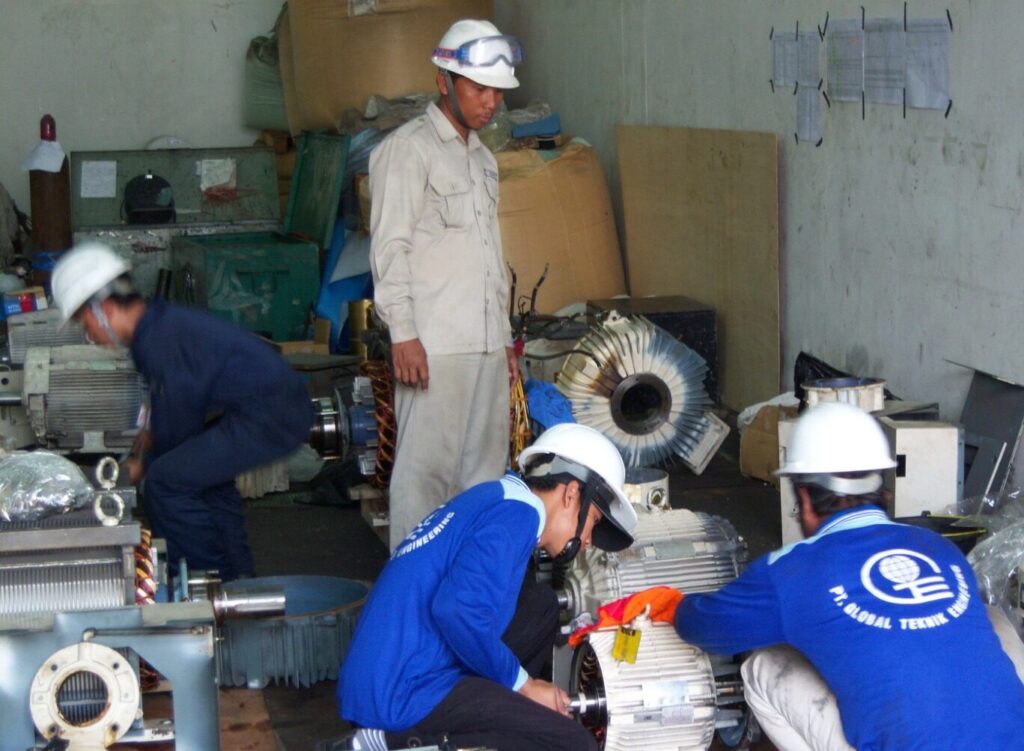
PT Global Teknik Engineering provides engineering-related services and equipment supply solutions to support industrial and commercial requirements. Through its electrical and mechanical equipment supply capabilities, the company helps customers address equipment procurement needs associated with maintenance activities, technical projects, and industrial operations.
This article explores the importance of industrial equipment supply, the role of spare parts in maintenance, and how businesses can improve procurement decisions to support reliable operations.
Understanding Industrial Equipment and Spare Parts Supply
Industrial equipment includes machinery, electrical systems, mechanical components, and supporting devices used in production and infrastructure operations. These assets are essential for manufacturing products, moving materials, controlling processes, and maintaining facility operations.
Spare parts are replacement components used to repair equipment, restore functionality, or maintain systems according to their technical requirements. Examples include bearings, seals, couplings, electrical components, switches, sensors, and other machine-specific parts.
An effective equipment supply process involves more than purchasing products. It requires accurate technical identification, compatibility assessment, supplier coordination, quality verification, and delivery planning.
When businesses select unsuitable components, they may encounter installation difficulties, equipment malfunctions, unnecessary costs, or additional downtime. A structured procurement process helps reduce these risks and ensures that purchased products are appropriate for their intended applications.
PT Global Teknik Engineering supports industrial requirements through electrical and mechanical equipment supply, as well as spare parts supply services. These capabilities complement its broader engineering and maintenance services.
Why Reliable Industrial Equipment Supply Matters
Industrial facilities frequently depend on equipment that must operate consistently to meet production schedules and project requirements. Delays in obtaining essential components can affect maintenance activities and disrupt planned operations.
Reliable equipment procurement provides several important benefits.
1. Supporting Operational Continuity
When machinery requires repair or scheduled maintenance, suitable replacement components must be available at the right time. Delayed procurement can extend maintenance periods and affect production schedules.
An organized supply process helps businesses identify required components in advance, coordinate purchasing activities, and prepare for planned maintenance.
For critical equipment, maintaining an appropriate spare parts inventory can also help reduce the consequences of unexpected failures.
2. Improving Equipment Reliability
Equipment performance depends partly on the quality, compatibility, and condition of its components. Using suitable spare parts helps maintain the intended operation of machinery and electrical systems.
Before purchasing replacement parts, companies should verify product specifications, model numbers, dimensions, electrical ratings, and other relevant technical requirements.
Correct identification is especially important when components look similar but have different operating characteristics.
3. Managing Maintenance Costs
Emergency procurement can involve additional logistical challenges, rushed purchasing decisions, and unplanned maintenance expenses.
By identifying frequently required components and planning procurement activities, businesses can improve purchasing efficiency and reduce avoidable costs.
The objective is not simply to purchase the cheapest available component. It is to obtain an appropriate product that meets the technical requirements and offers suitable value throughout its expected service life.
4. Supporting Industrial Project Execution
Industrial installation, modification, and maintenance projects often require several types of equipment and components.
A well-coordinated procurement process helps project teams organize material requirements, verify specifications, and align deliveries with installation schedules.
This coordination can make project execution more predictable and help reduce delays caused by missing or unsuitable materials.
Types of Industrial Equipment and Spare Parts
Industrial procurement requirements vary according to the sector, equipment configuration, and operating environment. The following categories illustrate common requirements that businesses may encounter.
Electrical Equipment and Components
Electrical equipment supports power distribution, motor operation, control systems, and industrial automation.
Depending on the application, procurement requirements may include electrical panels, circuit protection components, switches, sensors, control devices, and other electrical components.
Selecting electrical products requires attention to voltage ratings, current capacity, environmental conditions, compatibility, and applicable safety requirements.
Installation and replacement should be performed by appropriately qualified personnel following relevant technical specifications and safety procedures.
Mechanical Equipment and Components
Mechanical equipment is used in manufacturing, material handling, pumping systems, and numerous industrial applications.
Common mechanical component requirements include bearings, seals, shafts, couplings, fasteners, and other parts associated with machinery and rotating equipment.
Dimensions, material properties, load requirements, operating speed, temperature, and lubrication conditions may affect component selection.
Accurate technical information helps ensure that replacement components are appropriate for the equipment and its intended operating conditions.
Machinery and Supporting Equipment
Industrial facilities may require machinery and supporting equipment for production, installation, material handling, and maintenance activities.
Before purchasing equipment, businesses should assess its intended function, capacity, installation requirements, compatibility with existing systems, and maintenance needs.
The correct selection process should also consider the availability of technical documentation, replacement parts, and service support.
Replacement Parts for Maintenance and Repair
Replacement components are particularly important when equipment experiences wear, damage, or performance deterioration.
Maintenance teams should identify the affected component, determine the underlying cause of failure, and establish the appropriate replacement specification.
Simply replacing a damaged part without addressing the underlying problem may lead to recurring failures.
Coordinating equipment procurement with technical inspection and maintenance planning helps businesses make more informed decisions.
How to Choose the Right Industrial Spare Parts Supplier
Choosing an appropriate supplier is an important part of industrial procurement. Businesses should evaluate potential suppliers according to technical suitability, product quality, communication, and the requirements of each project.
Technical Understanding
A supplier should be able to work with the information provided by the customer, including part numbers, equipment models, technical drawings, and product specifications.
Clear technical communication helps reduce the risk of ordering incompatible components.
Product Quality and Traceability
Industrial components should meet the specifications required for their intended applications.
Where relevant, businesses should request manufacturer documentation, product datasheets, certificates, or other supporting information to verify product suitability.
The required documentation depends on the component, industry, and applicable project standards.
Procurement and Delivery Coordination
Delivery timing can be especially important when components are needed for planned shutdowns or urgent repairs.
Businesses should communicate their required delivery dates and confirm product availability, lead times, and shipping arrangements before finalizing an order.
Clear expectations help maintenance and project teams coordinate their activities more effectively.
Communication and Customer Support
Responsive communication is valuable when technical clarification, product identification, or delivery coordination is required.
A dependable supplier relationship can simplify future purchasing activities and help businesses manage recurring equipment requirements.
PT Global Teknik Engineering offers equipment and spare parts supply as part of its broader industrial service capabilities. Customers can discuss their specific requirements with the company to determine the appropriate procurement options.
Best Practices for Industrial Spare Parts Inventory Management
Effective inventory management helps businesses balance component availability with storage costs and purchasing efficiency.
Maintaining too few critical spare parts can increase the risk of prolonged downtime. Conversely, excessive inventory may tie up capital and create storage challenges.
The following practices can help organizations improve spare parts management.
Identify Critical Equipment
Start by identifying machinery and systems whose failure would significantly affect production, safety, or essential facility operations.
Spare parts associated with critical equipment may require different stocking strategies from components used in less critical applications.
Review Maintenance History
Historical maintenance records can help identify components that are frequently replaced, recurring equipment problems, and parts with long procurement lead times.
This information supports more informed inventory planning.
Establish Minimum and Maximum Stock Levels
Businesses can define appropriate inventory thresholds based on usage patterns, lead times, equipment criticality, and storage constraints.
These thresholds should be reviewed periodically as operating conditions and procurement requirements change.
Verify Part Numbers and Specifications
Accurate inventory records should include component descriptions, manufacturer details where available, part numbers, equipment associations, and relevant technical specifications.
Clear identification reduces the likelihood of ordering or installing incorrect components.
Coordinate Procurement with Maintenance Teams
Maintenance personnel often have valuable knowledge of equipment condition, recurring failures, and upcoming service requirements.
Regular communication between maintenance, procurement, and operations teams helps align spare parts availability with planned activities.
The Role of Equipment Supply in Preventive Maintenance
Preventive maintenance aims to reduce the likelihood of equipment failure through planned inspection, servicing, and component replacement where necessary.
A preventive maintenance program is more effective when the required tools, replacement components, and technical resources are available at the appropriate time.
For example, scheduled maintenance of rotating machinery may require inspection of bearings, seals, couplings, and other components according to the manufacturer’s recommendations and the equipment’s condition.
Electrical maintenance may require suitable replacement components that match the specifications of the installed system.
Coordinating spare parts procurement with maintenance schedules helps organizations prepare for planned work and reduce avoidable delays.
However, component replacement intervals should not be based solely on assumptions. Maintenance decisions should consider manufacturer guidance, operating conditions, inspection findings, and the consequences of equipment failure.
By combining maintenance planning with appropriate procurement practices, businesses can strengthen equipment reliability and improve operational readiness.
Industrial Equipment Supply for Different Industries
Industrial equipment and spare parts supply can support many sectors, although the specific requirements vary between applications.
Manufacturing: Production facilities require appropriate machine components, electrical devices, and mechanical spare parts to support manufacturing processes.
Power and energy: Relevant facilities may require electrical and mechanical components for equipment operation and maintenance, subject to specific technical and safety requirements.
Automotive: Manufacturing and supporting operations may require machine components, electrical equipment, and maintenance supplies.
Food and beverage: Processing facilities need components suitable for their equipment and operating environments, including applicable hygiene and material requirements.
Textile manufacturing: Production machinery may require replacement parts and supporting equipment to maintain consistent operation.
Industrial infrastructure: Installation and maintenance projects may require coordinated procurement of electrical and mechanical materials.
The suitability of a particular product or service depends on the customer’s application, equipment specifications, and project scope.
Why Work with PT Global Teknik Engineering?
Industrial procurement is most effective when it supports the wider objectives of maintenance, engineering, and project execution.
PT Global Teknik Engineering offers a combination of engineering-related services, equipment supply, spare parts supply, and maintenance support for industrial and commercial requirements.
This broader service portfolio allows customers to discuss equipment procurement needs alongside related technical requirements where applicable.
When preparing a request, customers should provide accurate equipment information, describe the intended application, and specify the quantity and delivery requirements.
The company can then discuss the requested products and relevant service options according to the project’s needs and the availability of suitable solutions.
Customers should confirm product specifications, availability, delivery schedules, and any applicable warranty or documentation arrangements before placing an order.
Reliable industrial equipment and spare parts supply plays an important role in maintaining operational continuity, supporting preventive maintenance, and managing equipment-related costs.
By selecting suitable components, maintaining accurate inventory records, and coordinating procurement with maintenance activities, businesses can improve their ability to respond to equipment problems and plan industrial projects effectively.
PT Global Teknik Engineering provides electrical and mechanical equipment supply, spare parts supply, and related engineering and maintenance services to support industrial requirements.
Whether your organization needs components for routine maintenance, replacement parts for machinery, or equipment for a technical project, careful specification and clear communication are essential to finding an appropriate solution.
Visit https://globalteknik.id/ to explore the company’s services and discuss your industrial equipment and spare parts requirements.
PT Global Teknik Engineering — Supporting Industrial Operations Through Engineering and Equipment Solutions.