

Industrial operations depend not only on reliable equipment and advanced technology but also on the knowledge and skills of the people who operate, maintain, and manage these systems. Even well-designed machinery requires competent personnel who understand its operation, maintenance requirements, and safety procedures. This makes industrial site training an important part of workforce development and operational improvement.
For companies in manufacturing, engineering, construction, and other industrial sectors, practical training can help employees understand technical procedures, improve their working methods, and respond more effectively to operational challenges.
PT Global Teknik Engineering offers site training and manpower supply as part of its industrial service capabilities. These services can support organizations seeking technical personnel and training solutions aligned with their project and operational requirements.
This article explains the importance of industrial site training, the benefits of technical workforce development, and the practices businesses can use to strengthen employee competency and support reliable industrial operations.
What Is Industrial Site Training?

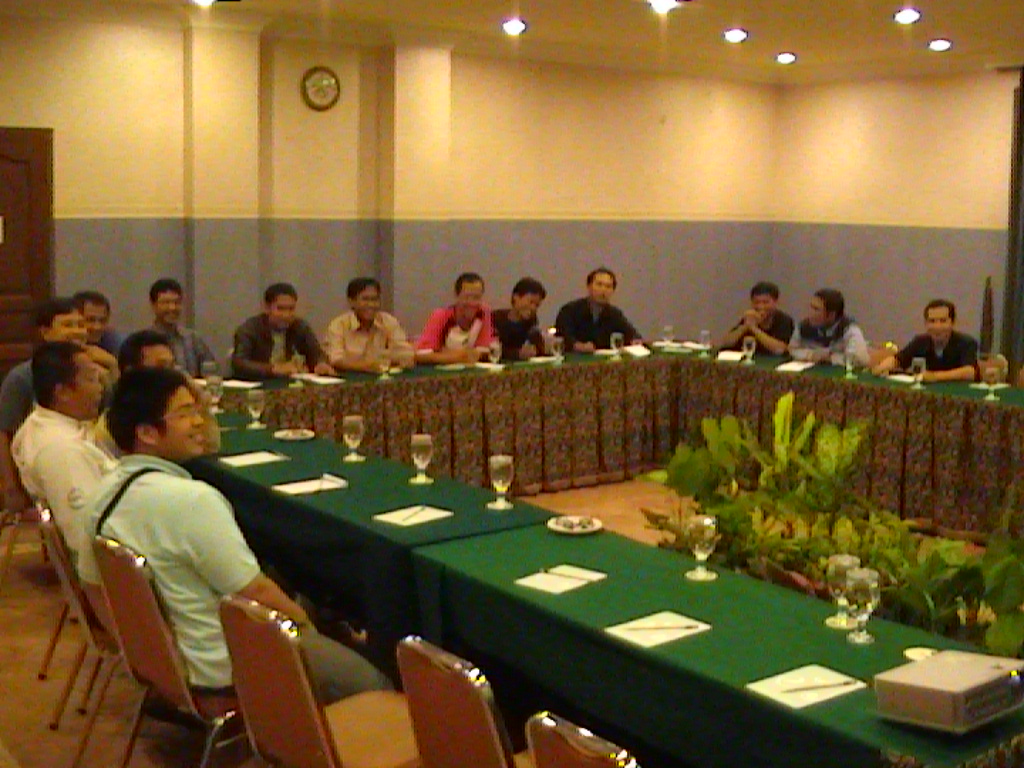
Industrial site training is a learning process conducted at an industrial facility, project location, workshop, or other relevant workplace. Unlike training that focuses exclusively on classroom instruction, site-based learning can connect technical knowledge with actual equipment, workplace procedures, and operational conditions.
Depending on the training objectives and agreed scope, industrial site training may address equipment operation, maintenance procedures, technical documentation, troubleshooting principles, and workplace safety practices.
For example, employees working with mechanical equipment may need to understand inspection procedures, component identification, and the importance of proper alignment. Personnel responsible for electrical systems may require instruction related to equipment specifications, safe working practices, and approved maintenance procedures.
The specific content should reflect the equipment involved, the participants’ existing competency, and the organization’s operational requirements.
Industrial site training is particularly valuable when employees need to understand how technical procedures are applied in their actual working environment.
Why Industrial Site Training Matters
Industrial facilities frequently use interconnected systems that require coordination between operators, technicians, maintenance personnel, and supervisors. A lack of technical understanding can contribute to operational errors, inefficient working methods, and avoidable equipment problems.
A structured training program helps organizations address these challenges by developing relevant knowledge and practical skills.
1. Improving Technical Competency
Technical competency enables employees to perform assigned responsibilities with a better understanding of equipment, procedures, and expected results.
Training can help employees become more familiar with technical terminology, equipment specifications, operating instructions, and maintenance requirements.
When training includes demonstrations and supervised practice, participants can connect theoretical concepts with practical applications.
Competency development should be based on the responsibilities of each role. Equipment operators, electrical technicians, mechanical technicians, and maintenance supervisors may require different learning objectives.
2. Supporting Workplace Safety
Industrial workplaces may involve electrical hazards, moving machinery, heavy equipment, elevated work areas, and other operational risks.
Employees need to understand relevant hazards, approved procedures, required protective equipment, and emergency arrangements before performing their assigned tasks.
Safety-related training should be appropriate to the work being undertaken and delivered by qualified personnel where required.
Training alone cannot eliminate workplace hazards. It must be supported by suitable equipment safeguards, risk assessments, effective supervision, and compliance with applicable regulations.
By integrating safety awareness into technical development, organizations can strengthen employees’ understanding of their responsibilities and contribute to a safer working environment.
3. Improving Equipment Reliability
Incorrect equipment operation and unsuitable maintenance practices can contribute to premature wear, recurring failures, and unnecessary repair costs.
Training helps personnel understand the importance of following manufacturer recommendations, using appropriate tools, and documenting equipment conditions.
For maintenance teams, relevant learning topics may include visual inspections, lubrication practices, component identification, alignment principles, and reporting abnormal equipment conditions.
The appropriate content depends on the equipment and the responsibilities assigned to the participants.
4. Supporting Operational Efficiency
Employees who understand their tasks and procedures can often complete routine activities more consistently.
Training can clarify work sequences, reduce uncertainty, and improve coordination between operational and maintenance teams.
Organizations may evaluate the effectiveness of training by reviewing relevant indicators such as task completion, procedural compliance, recurring errors, and maintenance documentation quality.
These measurements help determine whether the training contributes to the intended operational objectives.
Types of Industrial Training for Technical Personnel
Industrial training should be designed according to the needs of the facility and the competencies required for each position. Several training areas may be relevant to industrial businesses.
Electrical Equipment Training
Electrical equipment requires appropriate handling, inspection, and maintenance procedures. Training may help relevant personnel understand equipment documentation, component identification, operating principles, and approved inspection methods.
Depending on the equipment and participants’ responsibilities, subjects may include electrical panels, motors, control systems, sensors, and other industrial electrical components.
Work involving electrical hazards must be restricted to authorized and appropriately qualified personnel. Practical exercises should follow established safety procedures and applicable standards.
Mechanical Equipment Training
Mechanical equipment is widely used in manufacturing, material handling, pumping systems, and industrial production.
Training may cover mechanical component identification, equipment inspection, lubrication, alignment principles, and basic maintenance procedures.
For example, understanding the relationship between alignment and vibration can help maintenance personnel recognize conditions that may require further investigation.
The training content should reflect the machinery and technical procedures used at the facility.
Equipment Operation Training
Operators need to understand the functions, limitations, and operating requirements of the equipment they use.
Equipment operation training can cover startup and shutdown procedures, routine checks, operating parameters, abnormal conditions, and reporting requirements.
Where necessary, training should include supervised practical exercises and a competency assessment before employees are authorized to operate equipment independently.
Maintenance and Troubleshooting Training
Maintenance personnel often need to identify equipment symptoms, inspect components, and determine when further technical investigation is required.
Training can introduce systematic troubleshooting methods, documentation practices, and the importance of identifying underlying causes rather than addressing symptoms alone.
For complex equipment, troubleshooting procedures should follow manufacturer instructions and the organization’s approved maintenance processes.
Workplace Safety Training
Safety training helps employees recognize workplace hazards and understand their responsibilities when working around machinery, electrical systems, and industrial equipment.
Topics may include hazard identification, personal protective equipment, emergency response, work permits, and relevant site procedures.
Specialized activities, including confined-space entry, working at height, and electrical work, may require specific qualifications or legally mandated training.
Organizations should verify the applicable requirements before assigning employees to these activities.
How to Develop an Effective Industrial Training Program
An effective training program starts with clearly defined objectives and an understanding of the workplace’s technical requirements.
Step 1: Identify Training Needs
Begin by reviewing the skills required for each position and comparing them with employees’ existing competencies.
Information can be gathered through supervisor feedback, workplace observations, equipment documentation, maintenance records, and competency assessments.
This process helps identify the most important training priorities.
Step 2: Establish Clear Learning Objectives
Training objectives should describe what participants are expected to know or demonstrate after completing the program.
For example, an objective may require participants to identify specified machine components, explain an approved inspection procedure, or demonstrate an authorized routine maintenance task.
Clear objectives make it easier to select appropriate learning activities and evaluate the results.
Step 3: Prepare Relevant Training Materials
Training materials should match the equipment, working environment, and experience level of the participants.
Relevant resources may include equipment manuals, technical drawings, standard operating procedures, checklists, photographs, and practical demonstrations.
Materials should be accurate, understandable, and consistent with the organization’s approved procedures.
Step 4: Combine Theory with Practical Learning
Technical explanations help participants understand the principles behind a procedure. Practical demonstrations show how those principles are applied in the workplace.
Where appropriate, participants can observe qualified personnel, practice under supervision, and receive feedback on their performance.
Practical activities must be designed around appropriate risk controls and should never expose participants to unnecessary hazards.
Step 5: Assess Competency
Attendance alone does not demonstrate that a participant has mastered a skill.
Depending on the learning objectives, assessments may include written questions, demonstrations, supervised tasks, or discussions of workplace scenarios.
Assessment results can help identify additional learning needs and determine whether participants are ready to perform specific responsibilities.
Step 6: Evaluate and Improve
Training programs should be reviewed periodically to determine whether they remain relevant and effective.
Organizations can collect participant feedback, discuss results with supervisors, and examine relevant workplace performance indicators.
The findings can then inform improvements to training content, teaching methods, and future competency development.
The Role of Manpower Supply in Industrial Projects
Industrial projects may require additional technical personnel during installation, maintenance, equipment replacement, shutdowns, or other project activities.
Manpower supply can help organizations address temporary workforce requirements when internal staffing resources are insufficient.
However, successful manpower support requires careful planning. Businesses should define the required positions, qualifications, responsibilities, project duration, and site conditions before engaging personnel.
The selection process should consider relevant experience, technical competency, applicable certifications, and the ability to comply with site safety requirements.
Clear supervision and communication are also essential. Personnel should understand their assigned responsibilities, reporting arrangements, and the procedures governing their work.
PT Global Teknik Engineering offers manpower supply alongside its other industrial service capabilities. Customers can discuss their project requirements to determine the appropriate personnel support and related arrangements.
Benefits of Integrating Training and Maintenance
Training becomes more valuable when it is connected to the actual maintenance and operational requirements of a facility.
For example, maintenance personnel who understand the purpose of routine inspections may be better prepared to identify abnormal conditions and document findings accurately.
Similarly, equipment operators who understand approved operating procedures can contribute to consistent equipment use and more timely reporting of problems.
Integrating training with maintenance activities may support several organizational objectives:
- More consistent execution of approved procedures.
- Better understanding of equipment condition and maintenance requirements.
- Improved communication between operators and technical teams.
- More systematic documentation of inspections and maintenance work.
- Better identification of skills gaps and future training priorities.
These benefits depend on the quality of the training, the relevance of the content, and the organization’s broader operational practices.
Training should complement, rather than replace, preventive maintenance, engineering controls, equipment safeguards, and qualified technical supervision.
Choosing an Industrial Training Service Provider
When selecting an industrial training provider, businesses should consider whether the proposed program matches their technical needs and workplace conditions.
Relevant technical expertise: Training should be appropriate to the equipment, processes, and responsibilities involved.
Clearly defined objectives: The provider and customer should agree on the intended learning outcomes before training begins.
Practical relevance: Where appropriate, learning activities should reflect actual equipment and workplace procedures.
Safety considerations: Training arrangements should address applicable site rules, risk controls, and participant requirements.
Assessment and documentation: Businesses should establish how learning outcomes will be evaluated and what records will be provided.
Communication and coordination: Effective coordination helps ensure that the schedule, participants, training resources, and site arrangements are ready.
The right training approach depends on the organization’s objectives, the participants’ existing skills, and the complexity of the work.
Why Consider PT Global Teknik Engineering?
PT Global Teknik Engineering provides industrial service capabilities that include site training and manpower supply, alongside electrical and mechanical engineering, maintenance, and equipment supply.
This combination can be relevant to businesses seeking technical support connected with their industrial operations and project requirements.
Organizations interested in site training should explain the equipment involved, the participants’ roles, the competencies to be developed, and the expected training outcomes.
For manpower requirements, customers should provide information about the positions, qualifications, work location, project duration, and relevant safety conditions.
These details help establish a clear scope for discussion and enable the company to assess the suitability of its available services.
Specific training programs, personnel qualifications, schedules, and deliverables should be confirmed directly with the company before an engagement begins.
Industrial site training is an important component of workforce development for organizations that depend on technical equipment and specialized operational procedures.
By identifying competency gaps, establishing clear learning objectives, combining theory with practical learning, and evaluating results, businesses can strengthen employee capabilities and support more consistent industrial operations.
Training is most effective when it forms part of a broader approach that includes maintenance planning, appropriate equipment, workplace safety, and competent supervision.
PT Global Teknik Engineering offers site training and manpower supply as part of its industrial service portfolio, supporting customers who need to discuss technical workforce and project requirements.
If your organization is looking for industrial training or technical personnel support, visit https://globalteknik.id/ to explore the company’s services and discuss your requirements.
PT Global Teknik Engineering — Supporting Industrial Performance Through Engineering and Workforce Solutions.